You’ve probably sat in a middle seat, paid $18 for a sandwich, and watched the flight you almost booked take off with empty business class seats. We’ve all been there. Flying doesn’t have to feel like a series of small defeats, though. A little knowledge goes a long way, and most of it isn’t complicated once someone actually explains it properly.
Finding Cheaper Flights Without Losing Your Mind
Here’s the thing. Most people search for flights the wrong way. They go straight to a booking site, pick their dates, and accept whatever price comes back. That’s leaving money on the table almost every time.
The best approach is to search with flexible dates whenever you can. Midweek flights, specifically Tuesdays and Wednesdays, are almost always cheaper than weekend departures. Google Flights has a calendar view that shows you price differences across an entire month at a glance, and honestly, it’s one of the most underrated travel tools out there. Shifting your departure by just one or two days can save you $80 to $150 on a domestic ticket.
Booking windows matter too. For domestic flights, the sweet spot is generally two to three weeks out. International routes tend to reward you more for booking six to eight weeks in advance. Waiting until the last minute hoping for a deal is a gamble that usually doesn’t pay off, especially around holidays.
One more thing on this: set price alerts. Hopper and Google Flights both do this well. You’ll get notified when a route drops, which means you’re not obsessively checking every morning.
Navigating Airports Without the Stress
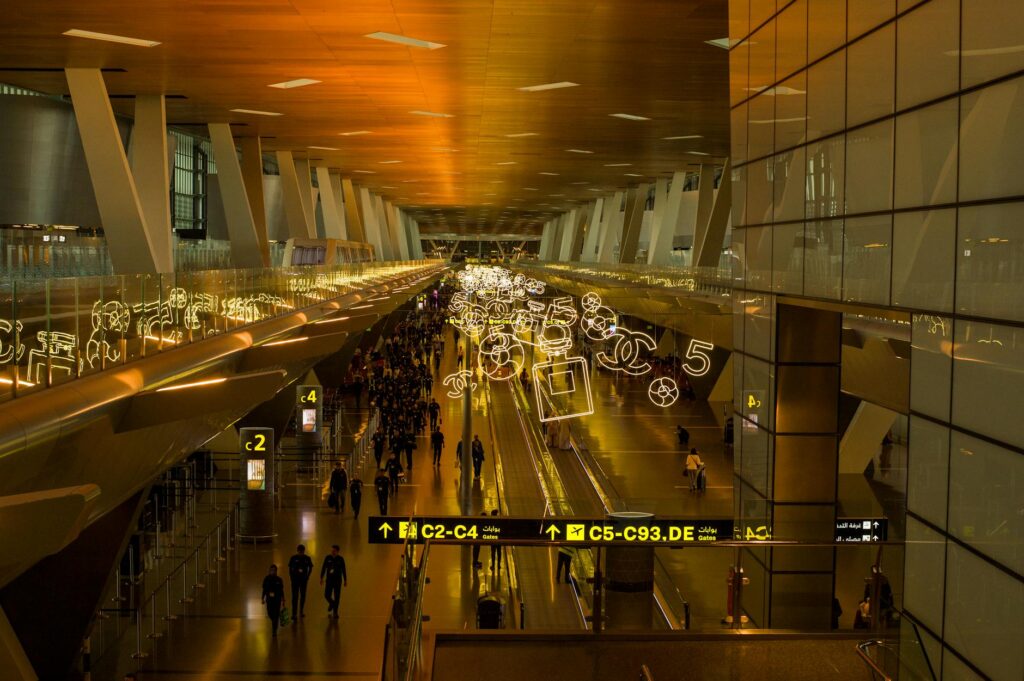
Big airports can eat your time and energy before you even board. A few habits change the experience completely.
TSA PreCheck is worth every cent of the $85 fee. It covers you for five years, which works out to $17 a year to skip the chaos of standard security lines. If you travel internationally, Global Entry includes PreCheck and pays for itself the first time you breeze through customs while everyone else waits forty minutes.
Learn your terminal before you arrive. This sounds obvious, but so many people walk into massive airports completely cold. Knowing whether you need to take a train between terminals, where your gate roughly sits, and where the decent food options are saves real time. Most airlines have maps in their apps now, so there’s no excuse.
For early morning flights, try checking in online the night before and downloading your boarding pass to your phone’s wallet app. It sounds small, but removing any friction at the airport when you’re half-awake makes a genuine difference.
Seat Selection: More Important Than Most People Realize
Honestly, most passengers just accept whatever seat gets auto-assigned and move on. That’s a mistake, especially on longer flights.
The exit row and bulkhead seats offer noticeably more legroom, but they come with tradeoffs. Bulkhead seats often don’t have under-seat storage, which can be annoying on a long haul when you want your bag accessible. Exit rows won’t recline on some aircraft, so keep that in mind if you plan to sleep.
Window seats are great for sleeping because you control the shade and have a wall to lean on. Aisle seats give you freedom of movement without bothering anyone. Middle seats are a last resort, full stop.
SeatGuru is a free site where you can look up any aircraft’s seat map and see which seats have issues, like blocked windows, limited recline, or proximity to lavatories. Takes two minutes to check and it’s saved me from some genuinely awful seats.
Making Layovers Work For You
A long layover doesn’t have to be miserable. With a few hours and the right mindset, it can actually be useful.
Most major hub airports have day-use lounges you can access for a flat fee, usually around $30 to $50. You get comfortable seating, free food and drinks, showers in some cases, and quiet. After a red-eye, that’s borderline priceless. Many credit cards with travel benefits also offer lounge access as a perk, so check yours before paying out of pocket.
If your layover is six hours or more and you’re in a city you’ve never visited, consider leaving the airport. Many cities are accessible within 30 to 45 minutes from the airport by transit. Just make sure you have the right visa situation sorted if you’re connecting internationally, and give yourself a very generous buffer to get back through security.
Handling Delays Without Losing Your Cool
Delays happen. Weather, air traffic control, mechanical issues, the whole list. What separates experienced travelers from frustrated ones is mostly preparation.
- Always carry a portable charger. A dead phone during a three-hour delay is genuinely demoralizing.
- Have the airline’s customer service number saved. Calling is often faster than waiting in the rebooking line at the gate.
- Check if your credit card offers trip delay insurance. Many do, and they’ll cover meals and hotels if you’re stuck overnight.
- Download your airline’s app before you fly. Gate changes and delay notifications hit the app faster than the departure boards sometimes.
One thing most people don’t realize: if your flight is cancelled and you’re rebooked on a much later departure, you can often ask to be routed through a different hub entirely. Airlines have more flexibility than they let on, and a polite, informed ask at the counter goes further than you’d think.
A Tool That Saves Time Before You Even Pack
If you’re planning a trip and want to get a quick sense of flight time between airports or estimate fuel costs for a private or training flight, we built some free tools for exactly that. The Flight Time Calculator gives you great-circle distance and estimated flight time between any two airports worldwide, and the Fuel Burn Estimator helps you estimate trip fuel, reserve, and taxi fuel for any aircraft. Both are free to try and genuinely useful whether you’re a student pilot or just someone who likes knowing the numbers.