You’re mid-haul somewhere between Europe and Southeast Asia, and your layover screen shows DXB. Either you’re groaning or quietly relieved. Dubai International Airport is one of those places that genuinely divides opinion among frequent flyers. Some people love it. Others find it overwhelming. Honestly, the difference usually comes down to whether or not you knew what to expect before you landed.
Let’s fix that.
The Basics: What You’re Actually Dealing With
Dubai International is the world’s busiest airport for international passenger traffic, handling over 86 million passengers in 2023. That number alone tells you something. This place doesn’t sleep. Ever. There’s no quiet hour, no slow season, no Tuesday morning lull. It operates at full tilt around the clock, and if you’re not prepared, it can feel like stepping into controlled chaos.
The airport has three terminals, and this is where most first-timers trip up. Terminal 1 handles most international airlines, Terminal 2 is mostly used by flydubai and a handful of regional carriers, and Terminal 3 is exclusively Emirates. Those three terminals are not all connected landside. If you’re connecting between airlines on separate terminals, you’ll need to factor in extra time, sometimes a lot of it.
Terminal 3: The Emirates Kingdom
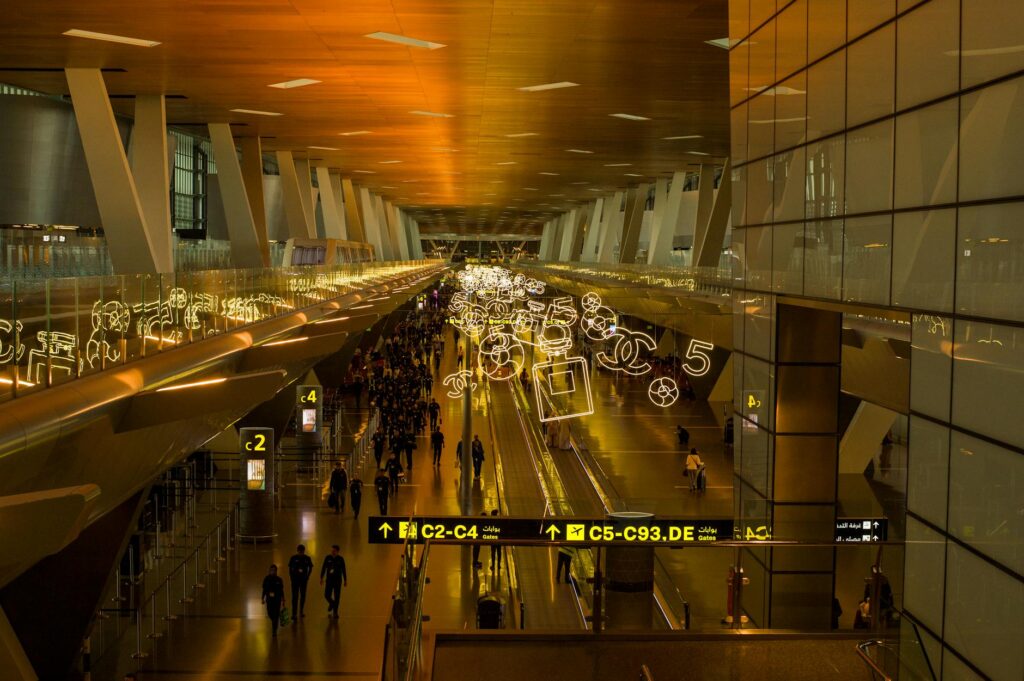
Terminal 3 is the one most long-haul travelers end up in, and it’s genuinely impressive in scale. It’s one of the largest airport terminals in the world by floor area. Walking from one concourse to another takes longer than you’d expect, so don’t assume a 90-minute layover is comfortable just because you’re not changing terminals. It’s not.
The terminal is split into Concourse A, B, and C. Concourse A is the A380 hub and connects to Terminal 3 via an underground automated transit system. Concourse B handles older widebody aircraft. Concourse C is where most medium-haul Emirates flights depart. If your boarding pass says A, give yourself extra time to get there.
Lounges: Where to Go and Who Gets In
Here’s the thing. Dubai has some legitimately excellent lounges, and a few that are purely fine. The Emirates Business Class lounge in Concourse B is the benchmark most people compare everything else to. Multiple zones, proper showers, a la carte dining, a quiet sleeping area, and bar service that doesn’t close. If you’re traveling Business with Emirates, you’re sorted.
For everyone else, the options depend on your card or alliance status. Priority Pass gets you into a few lounges in Terminal 1 and parts of Terminal 3, but the access list changes, so always double-check before you assume. The Marhaba lounges are solid and widely accessible. They’re not glamorous, but they’re clean, the food is decent, and the showers work. After a 10-hour overnight flight, that’s honestly enough.
In my view, the most underrated perk at Dubai airport is the sleeping pods and rest areas available in the transit zone. Not everyone knows they exist, and they’re a genuine lifesaver on a long overnight layover.
Getting Into the City on a Layover
If you have six hours or more, leaving the airport is worth considering. Dubai’s Metro Red Line connects directly to the airport at both Terminal 1 and Terminal 3 stations. The journey to central Dubai takes around 30 minutes and costs next to nothing compared to a cab. Trains run frequently and they’re air-conditioned, which matters a lot when you step outside into 40-degree heat in August.
Taxis are plentiful and metered, and Dubai is genuinely one of the safer cities in the world for solo travelers. If you’ve got a UAE visa or are eligible for visa-on-arrival, it’s doable. Just don’t cut it close. Most airlines recommend being back at the gate at least 60 minutes before departure at DXB, and that’s not padding you want to sacrifice for a trip to the Burj Khalifa.
A Few Insider Tips That Actually Matter
- Get the Emirates app before you fly. Even if you’re not on Emirates, the airport maps and live gate info are useful for navigating Terminal 3.
- Duty-free is cheaper before security in T1, but only at certain shops. Alcohol in particular has better pricing at select spots in the arrivals area.
- Don’t rely on Wi-Fi for boarding info. The airport Wi-Fi works, but it’s inconsistent near the gates. Download everything before you leave the lounge.
- Currency exchange rates at the airport are average. Use an ATM or sort it out before you travel if you’re heading into the city.
Connections and Minimum Connection Times
Emirates publishes minimum connection times (MCTs) of 60 minutes for most connections within Terminal 3, but honestly, that’s the absolute floor. If you’re connecting internationally and need to clear any kind of security recheck, 90 minutes is more comfortable. Connections between Terminal 3 and Terminal 1 have an MCT of 2 hours, and even that can feel tight during peak periods in the morning bank, roughly 6am to 9am local time, when a huge wave of overnight flights all lands together.
Most people get this wrong by looking at the MCT and assuming it’s a target rather than a hard minimum. Book connections with room to breathe if you can.
Food and Shopping: Better Than You’d Think
The food at Dubai airport has genuinely improved over the past few years. There’s a good mix of fast and sit-down options across all terminals. Le Clos wine bar in Concourse C is worth a stop if you have time and aren’t flying Business. The Shake Shack near gate C21 is almost always crowded, which tells you everything you need to know. For something more regional, the Arabic mezze spots in the food court areas are solid and reasonably priced for an airport.
Shopping is extensive, obviously. The duty-free corridor is enormous and can actually swallow 45 minutes without you noticing. Perfume, electronics, gold, chocolates, you name it. Just watch your carry-on weight limits if you’re continuing on a regional leg.
Plan the Flight Itself Smarter
If you’re routing through Dubai and want to nail down your actual flight times and fuel planning before you go, we’ve got tools that make this easy. The Flight Time Calculator will give you great-circle distance and estimated flight time between any two airports worldwide, handy when you’re comparing route options. And if you’re a student pilot or GA flyer planning longer legs, the Fuel Burn Estimator handles trip fuel, reserve, and taxi fuel with built-in aircraft presets. Both are free to use, no signup needed.