SkyToolbox

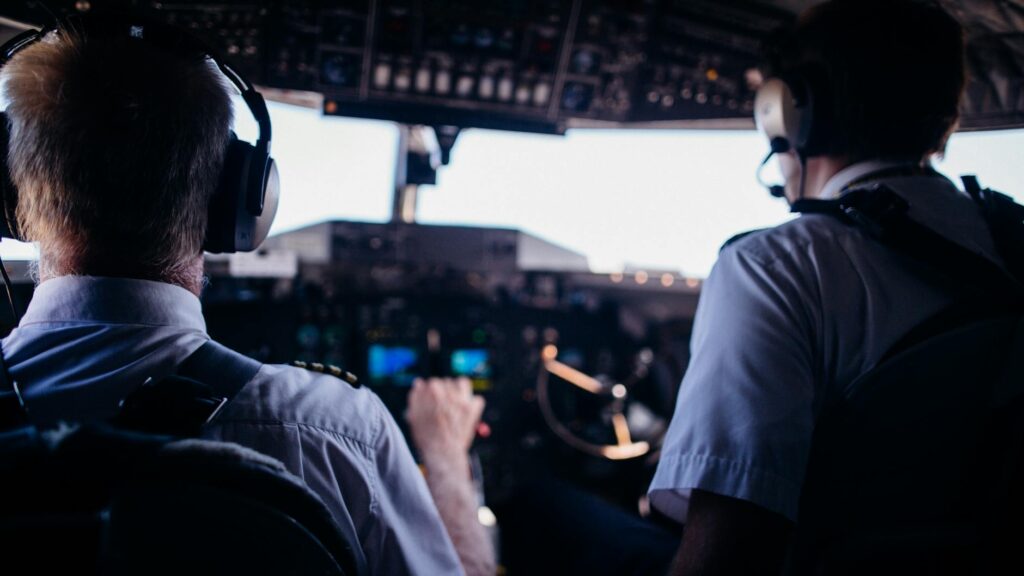
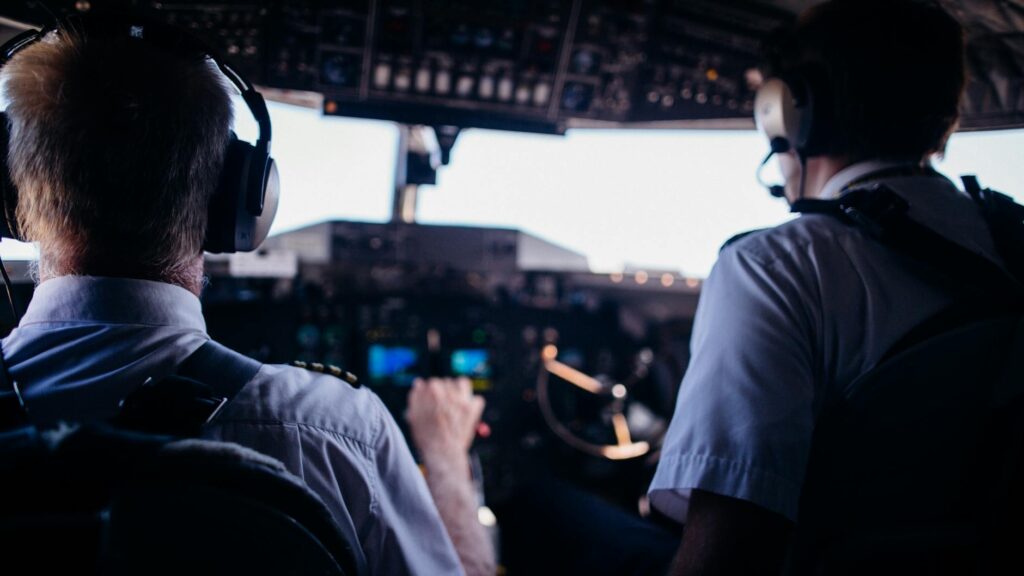
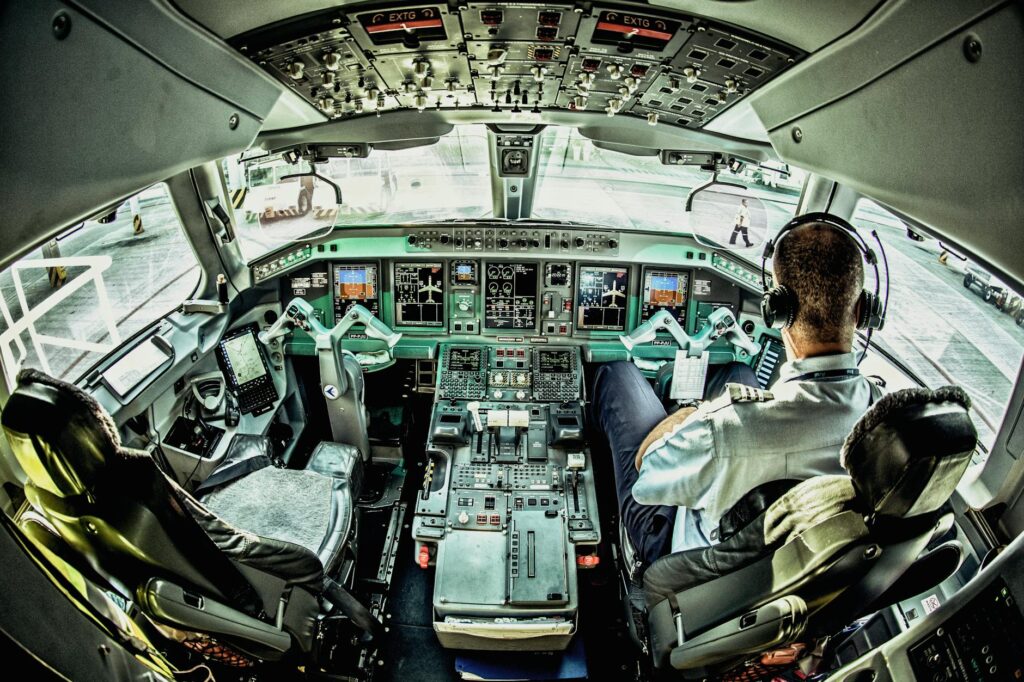
Back view of anonymous male pilots in uniform and headset navigating modern airplane while taking off

From Student Pilot to Airline Cockpit: A Realistic Career Guide

Picture of Mohib Memon
Mohib Memon

Founder SkyToolbox

Nobody Tells You How Long It Actually Takes

You see the Instagram posts. A fresh-faced pilot in a crisp uniform, wings pinned to their chest, standing in front of a regional jet. What the post doesn’t show is the three to five years of grinding through ratings, building hours in a beat-up Cessna 172, and living on a flight instructor’s salary before any of that happens. The pilot career path is one of the most rewarding things you can pursue in aviation, but it’s also one of the most misunderstood.

Let’s talk about what it actually looks like, from your first discovery flight to sitting in the left seat of a commercial aircraft.

The License Stack: What You’re Actually Working Toward

Most aspiring pilots don’t realize upfront that becoming an airline pilot isn’t a single license, it’s a stack of them, each building on the last. Here’s the progression most pilots follow in the United States:

  • Student Pilot Certificate — your legal permission to solo an aircraft
  • Private Pilot License (PPL) — fly yourself and passengers, no compensation
  • Instrument Rating (IR) — fly in clouds and low visibility under IFR
  • Commercial Pilot License (CPL) — get paid to fly
  • Certified Flight Instructor (CFI) — the most common hour-building job
  • Airline Transport Pilot (ATP) — required to act as Pilot in Command of an airliner

Each step has minimum flight hour requirements set by the FAA. The ATP, which is your ticket to the airlines, requires 1,500 hours of total flight time for most pilots. There’s a reduced pathway of 1,000 hours for graduates of certain aviation university programs, and 750 hours for military pilots. Those numbers matter a lot when you’re planning your timeline and your budget.

The Hour-Building Phase Is Real and It Takes Time

Honestly, this is the part most YouTube videos gloss over. After you have your commercial license, you still need hundreds of hours before the regional airlines will look at you. The most common route? Become a CFI and teach other students to fly. You’re getting paid (not much, but something) while logging hours toward your 1,500.

The average new CFI earns somewhere between $30,000 and $45,000 a year depending on location and employer. It’s not glamorous. But here’s the thing: it makes you a sharper, more disciplined pilot. Teaching someone else to land forces you to understand why things work the way they do. Most experienced airline pilots will tell you their CFI years were some of the most formative of their career.

Other hour-building routes exist too. Banner towing, pipeline patrol, charter flying, skydive operations. They’re less common, but they’re out there if instructing isn’t your thing.

Regional Airlines: The First Rung of the Ladder

Once you hit the ATP minimums, the regional airlines become accessible. Carriers like SkyWest, Envoy, Mesa, and Endeavor Air are where most U.S. commercial pilots start their airline career. You’ll typically fly as a First Officer on a regional jet, like the Embraer 175 or Bombardier CRJ series, operating under a codeshare agreement with a major airline.

Regional pay has improved significantly in recent years, partly because of the pilot shortage that’s been reshaping the industry since around 2022. First Officer starting salaries at some regionals now exceed $80,000 annually, which is a dramatic shift from the $24,000 starting wages that were embarrassingly common just a decade ago.

From the regionals, the path leads to the majors. American, Delta, United, Southwest. That’s the dream for a lot of pilots, and for many it becomes reality, but it takes patience. The average pilot spends three to seven years at a regional before upgrading to Captain or moving to a major carrier.

What a Day in the Life Actually Looks Like

People picture pilots sipping coffee at 35,000 feet. The reality is more nuanced. A typical day for a regional First Officer might involve showing up at the airport two hours before a 6 a.m. departure, reviewing weather, filing a flight plan, doing a walkaround on the aircraft, briefing with the Captain, and then flying two to four legs across a twelve-hour duty day. You might see four different cities before you’re done.

In my view, the scheduling aspect is the most underrated challenge of an airline career. You’re not working a nine to five. Holidays, weekends, family events, all of it gets rearranged around bid lines and seniority lists. Seniority is everything in this industry. It dictates your schedule, your routes, your aircraft type, and eventually your pay. The sooner you start your career, the better position you’ll be in later.

Crew Resource Management: The Skill That Doesn’t Get Enough Credit

Technical flying skills will get you hired. CRM is what keeps you employed and, more importantly, keeps your passengers safe. Crew Resource Management is the framework pilots and crew use to communicate effectively, manage workload, and catch errors before they become incidents. It’s been a core part of airline training since the late 1970s, when accident investigators started noticing that many crashes weren’t caused by mechanical failure, they were caused by communication breakdowns in the cockpit.

Good CRM means a First Officer feels comfortable pushing back when a Captain makes a questionable call. It means checklists get done even when everyone’s tired. It means situational awareness is shared, not siloed. Airlines spend serious training hours on this for a reason. If you’re heading into an aviation career, take CRM seriously from day one, not just as a box to check, but as a professional mindset.

Start Planning With the Right Tools

If you’re in the early stages of your training and trying to get a feel for distances, flight times, or fuel requirements for cross-country planning, we’ve got a few tools that can help. The Flight Time Calculator lets you estimate flight time between any two airports worldwide, and the Fuel Burn Estimator helps you plan trip fuel and reserves for your aircraft. Both are free. Try them out and save yourself some time on the ground.

Share