SkyToolbox

Student Pilot to ATP

From Student Pilot to ATP: What the Career Path Really Looks Like

Picture of Mohib Memon
Mohib Memon

Founder SkyToolbox

Nobody tells you how long the road actually is. You show up for your first discovery flight, the instructor lets you take the controls somewhere over a cornfield, and you’re hooked. That part everyone knows. What people don’t talk about as much is the decade-ish of grinding, studying, and building hours that follows. So let’s walk through the whole thing, honestly.

The License Stack: What You’re Actually Working Toward

Pilot training isn’t one license. It’s a stack of them, and each one unlocks the next level. Here’s how it generally builds in the US system under FAA rules:

  • Student Pilot Certificate — Your starting point. Lets you fly solo under an instructor’s endorsement.
  • Private Pilot License (PPL) — The real first milestone. You can carry passengers, fly most single-engine aircraft, but not for hire.
  • Instrument Rating (IR) — Adds the ability to fly in clouds and low visibility using instruments only. Non-negotiable if you want a career.
  • Commercial Pilot License (CPL) — Now you can get paid to fly. Requires 250 hours total time under FAR Part 61.
  • Certified Flight Instructor (CFI) — Most pilots do this to build hours fast. You teach, you log time, you get better.
  • Airline Transport Pilot (ATP) — The top of the stack. Required to be a captain at a Part 121 airline. Minimum 1,500 hours total time.

The jump from CPL to ATP is where most of the grind lives. That 1,500-hour requirement exists for a reason, specifically the Colgan Air Flight 3407 crash in 2009, which killed 50 people and directly led to the FAA’s rule change in 2013 raising the first officer minimum from 250 hours to 1,500. That context matters. Those aren’t arbitrary numbers.

The Hour-Building Phase Nobody Glamorizes

Here’s the thing. Getting from 250 hours to 1,500 hours is genuinely the hardest part of the career, and it’s the part aviation movies skip entirely. Most pilots do it by flight instructing, flying for small charter companies, doing banner towing, pipeline patrol, or aerial survey work. Some guys fly skydivers for a couple bucks a jump load. Whatever it takes.

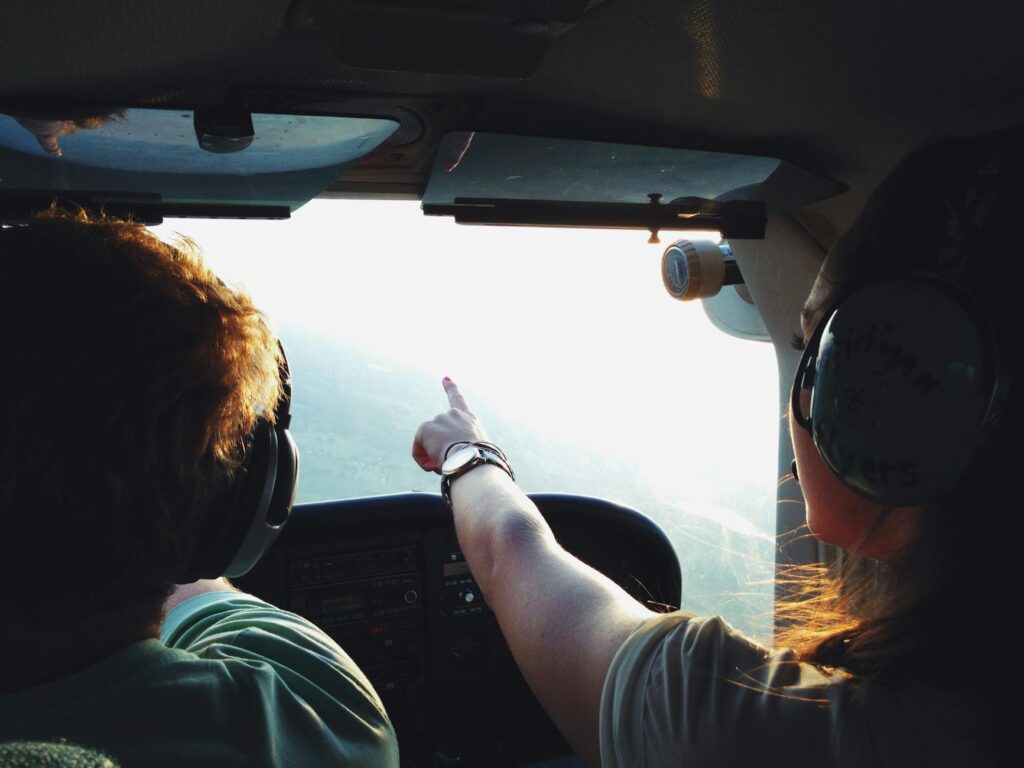
Flight instructing is by far the most common route, and honestly, it’s underrated as a training tool. You can’t fake understanding a concept when a nervous student is sitting next to you expecting a real answer. Teaching forces clarity. Most CFIs come out the other side significantly better pilots than when they started.

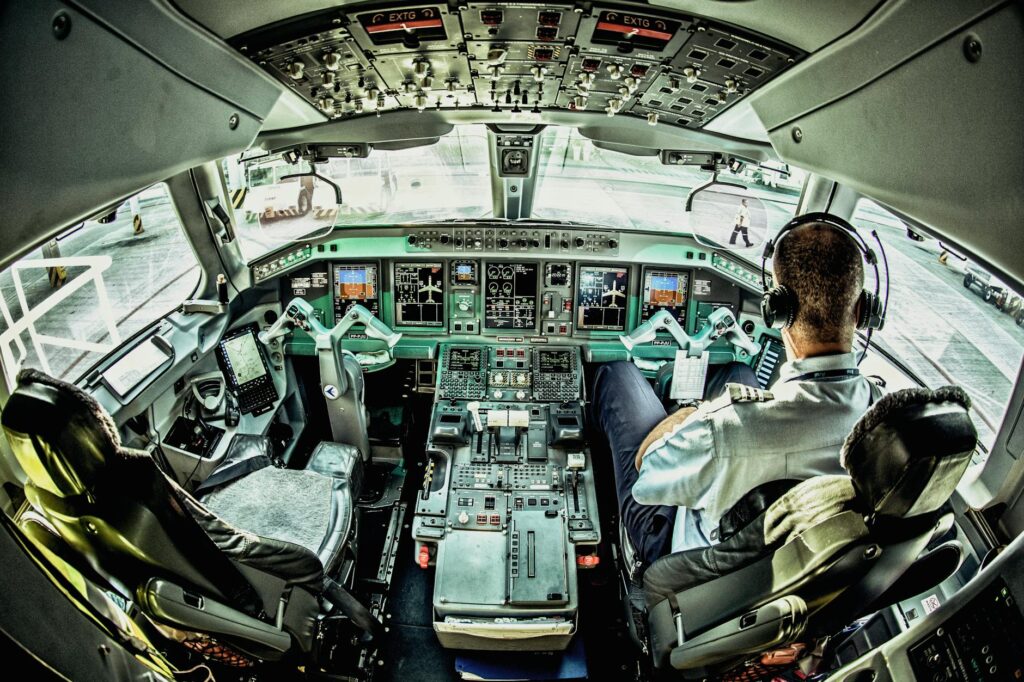
Regionals are the typical next stop. US regional airlines like SkyWest, Envoy, and Mesa hire pilots with around 1,500 hours, put them in the right seat of a CRJ or Embraer, and that’s where real airline experience starts. Pay at the regional level has improved since the pilot shortage kicked in, but it’s still modest. First-year regional FO salaries typically start around $50,000 to $70,000 depending on the carrier and contract.

A Day in the Life Actually Varies a Lot

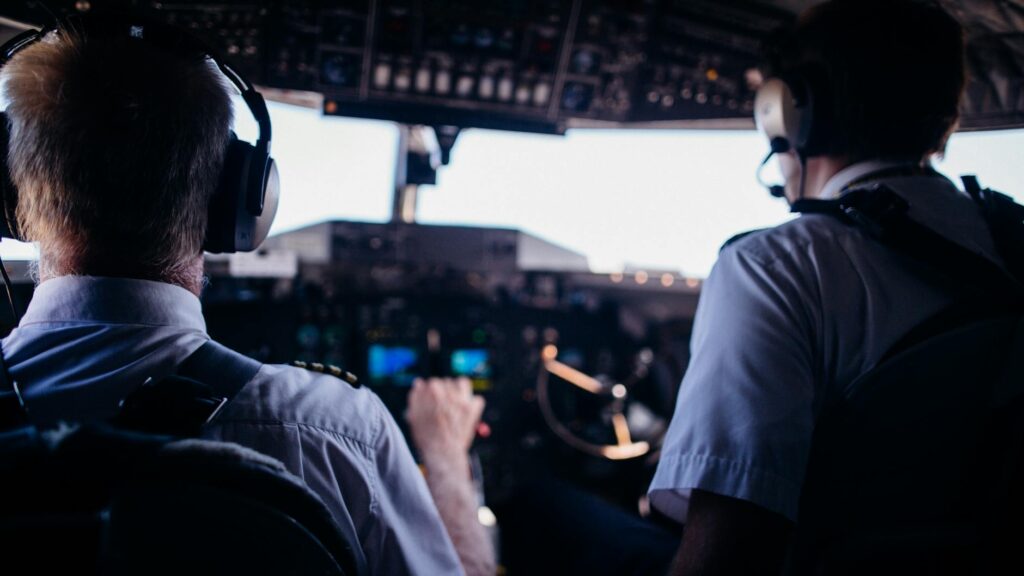
One thing aspiring pilots don’t always expect is how different the lifestyle looks depending on where you are in the career. A CFI at a local flight school is waking up early, flying three or four lessons, debriefing, prepping for the next student, and doing it again six days a week. A regional FO might commute to their base city on a deadhead, fly three legs, overnight in a mid-tier hotel, then fly two more legs home. A long-haul widebody captain at a major might be gone four days and then off for ten.

None of those are bad. They’re just different. And the lifestyle you end up with depends heavily on seniority, which airline you’re at, and what you bid for. Seniority in this industry is genuinely everything. It controls your schedule, your aircraft type, your base, and eventually your pay. Pilots don’t switch airlines the way people switch corporate jobs because your seniority number doesn’t transfer. You start at the bottom again.

Crew Resource Management: The Skill They Don’t Teach Early Enough

In my view, CRM is the most underrated part of pilot training, and most students don’t get meaningful exposure to it until they’re already flying professionally. Crew Resource Management is basically the study of how flight crews communicate, make decisions under pressure, catch each other’s errors, and manage workload. The concept came out of a series of preventable crashes in the late 1970s where technically capable crews made fatal errors because of poor communication and rigid cockpit hierarchy.

United Flight 173 in 1978 is the classic case study. The crew got distracted troubleshooting a landing gear issue and ran the plane out of fuel. Everyone was competent. The communication breakdown killed people. CRM training emerged directly from accidents like that, and today it’s a required part of airline training programs. But student pilots and even new CFIs rarely spend serious time on it.

If you’re early in your training, start paying attention to how you communicate in the cockpit. Practice saying things clearly. Build the habit of speaking up when something feels off. That habit will serve you more than you’d expect.

Is It Worth It?

That’s the question everyone asks, and the honest answer is: it depends on why you want it. If you genuinely love flying and you can tolerate a few years of low pay and irregular hours while you build experience, the career side of things eventually gets very good. Major airline captains with 20 years of seniority are earning $300,000 to $400,000 or more per year, flying wide-body jets internationally, with schedules they actually like. That ceiling is real.

But the path demands patience and a certain tolerance for uncertainty. It’s not a straight line and the early years test whether you actually love it or just love the idea of it.

If you’re working through your training right now and want to cut down on the mental math side of things, we built a few free tools that might help. The Flight Time Calculator is great for planning cross-countries and estimating flight times between airports worldwide. The Fuel Burn Estimator handles trip fuel, reserve, and taxi fuel with built-in aircraft presets. Both are free to use, no signup needed.

Share